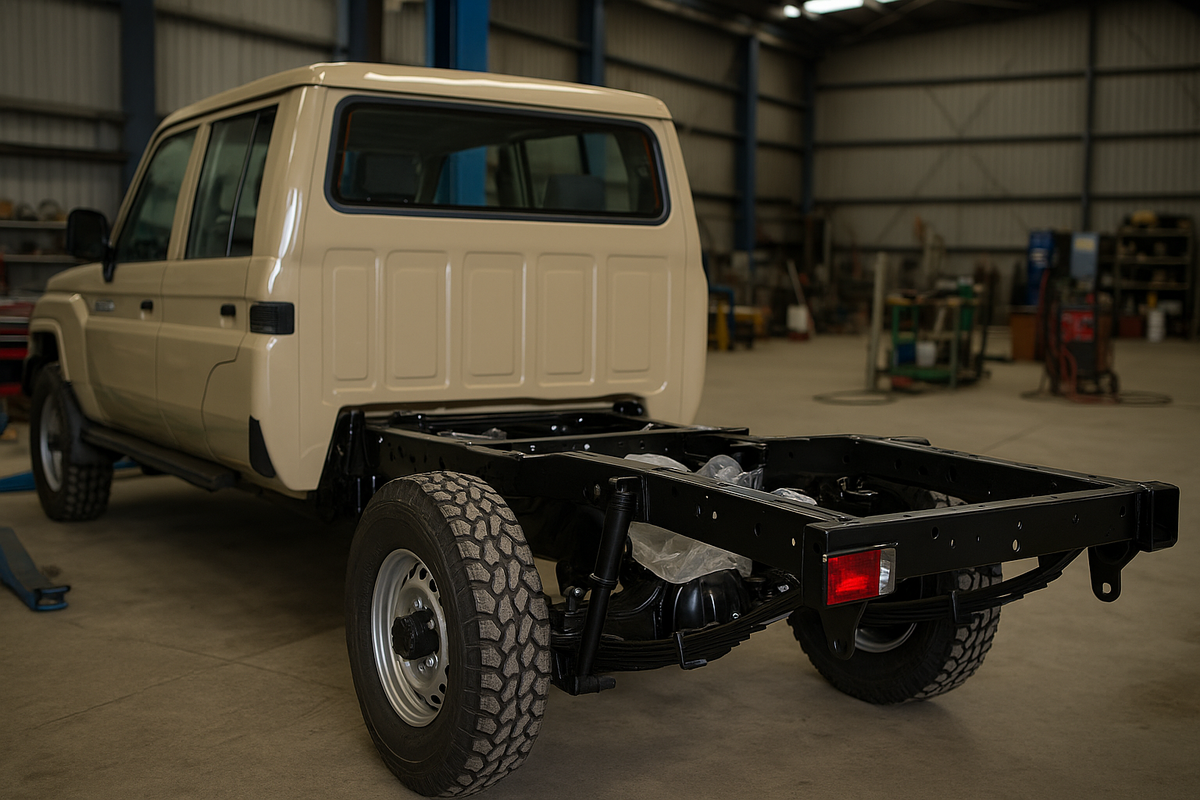
Australia’s love for remote travel continues to grow, and with it comes an increased focus on vehicle safety, stability, and long-term durability. Touring across the country’s varied terrain places considerable pressure on a vehicle’s structure, particularly when travelling with added weight or towing. This is where chassis modifications become a valuable consideration for drivers preparing for extensive road trips or off-road touring. While many factory-built vehicles handle everyday driving well, long-distance touring requires far more resilience than most standard setups provide.
Travelling through regional Australia brings a mix of unpredictable track conditions, corrugated roads, steep climbs, and extended periods of heavy load. These challenges highlight why structural improvements to the chassis are often recommended for drivers who expect their vehicles to perform reliably under strain. Understanding the role of these upgrades helps travelers make informed decisions before heading off on major adventures.
Touring Pressures That Lead to Chassis Issues
One of the biggest reasons people explore chassis modifications is the sheer volume of gear carried during remote travel. Touring setups often include recovery tools, long-range fuel tanks, fridges, camping items, rooftop tents, canopies, and additional water storage. All this weight shifts the vehicle’s centre of gravity and places consistent downward pressure on the chassis rails. Over time, this may contribute to fatigue, cracks, or bending if the structure is not strengthened.
Off-road conditions also intensify torsional stress. When a vehicle moves across uneven tracks, one side may rise while the other dips, causing the chassis to twist repeatedly. Heavy loads amplify this movement and may result in premature weakening of factory metal. Touring drivers often notice signs such as excessive flex, misaligned panels, or minor cracks around key stress points. These indicators show why a strengthened structure is often beneficial long before major damage occurs.
Towing adds another layer of complexity. Caravans, off-road campers, and heavy trailers produce a constant rearward pull that affects vehicle balance and stress distribution. A reinforced chassis helps maintain stable handling, reduces sway, and improves overall confidence on long journeys.
For further reading on how mechanical preparation impacts long trips, you may refer to posts such as safe long-distance travel habits on editor.blogmaker.app/posts, which complement the discussion around off-road readiness.
What Chassis Modifications Typically Include
Work on a vehicle’s chassis usually involves strengthening reinforcements, structural adjustments, or extensions designed to improve stability. Reinforcement plates and upgraded crossmembers increase rigidity, allowing the chassis to cope with repeated torsional movement. These upgrades reduce the risk of cracking, especially when travelling through regions with extensive corrugation.
Wheelbase extensions are another common form of chassis modifications. With the growing popularity of full-length canopies, long-range setups, and dual spare-wheel carriers, extending the wheelbase may offer better weight distribution. A longer wheelbase improves stability on highways and reduces the likelihood of fishtailing when towing.
Many drivers also pair their chassis upgrades with a GVM (Gross Vehicle Mass) increase. When performed together, the modifications create a stronger structural foundation capable of supporting legally certified load ratings. This helps vehicles remain compliant and reduces the likelihood of issues with roadside inspections or insurance claims.
Compliance and Safety Considerations
Every state in Australia has specific rules governing vehicle modifications, and ensuring upgrades meet engineering standards is vital. ADR (Australian Design Rules) compliance ensures the work remains legal and safe. Choosing an experienced engineering workshop helps prevent complications, as the certification process requires accurate measurement, testing, and documentation.
Insurance is another factor. If unsupported modifications are undertaken or poorly executed, drivers may encounter problems when lodging claims. Having the correct engineering approvals protects travelers financially and legally. This is why many rely on reputable workshops for structural work rather than attempting DIY solutions.
Articles discussing vehicle compliance or travel readiness on editor.blogmaker.app/posts may provide additional context and useful insights for readers researching safe vehicle preparation.
Real-World Touring Situations Where Upgrades Matter
Throughout Australia, there are countless touring routes known for challenging conditions. Desert tracks, such as the Simpson Desert or Canning Stock Route, impose prolonged vibrations that may weaken stock chassis metal. Coastal tracks expose vehicles to salt and moisture, increasing corrosion risks. Bush tracks deliver sudden jolts that may stress the chassis without adequate reinforcement.
Touring setups that include extensive canopy builds, drawer systems, or auxiliary batteries concentrate weight toward the rear of the vehicle. Without structural strengthening, the rear section of the chassis may bow or crack. These issues are common for long-term travelers who regularly carry substantial loads.
Why Choosing a Specialist Matters
A qualified engineering workshop uses the correct materials, welding processes, and structural assessment methods to ensure durability. This expertise may not be replicated through informal or inexperienced service providers. Professional work also accounts for how each modification interacts with load distribution, suspension, and towing capability.
Drivers in Queensland who need expert guidance often refer to services offering custom chassis modifications in Brisbane, especially when preparing for extended trips across remote or rugged regions. Referring to such services helps travellers rely on safe and compliant upgrades without placing emphasis on promotion.
Preparing a Touring Vehicle Before Heading Out
Before long travel, vehicle owners may carry out basic checks such as inspecting welds, looking for surface cracks, analyzing load balance, and confirming that the chassis is free from corrosion. Even with chassis modifications, it is helpful to remain mindful of vehicle limitations and adjust driving habits accordingly.
Drivers may also monitor how the vehicle behaves on the road. Sudden changes in handling, sway, or noise may indicate chassis stress or the need for further inspection. Engaging an experienced mechanic or engineer for periodic assessments helps maintain long-term reliability.
Conclusion: Confident Touring Through Thoughtful Vehicle Preparation
Remote Australian travel places extraordinary strain on vehicles, particularly on the chassis. Modifications performed by qualified specialists help address these challenges and create a safer, more dependable touring experience. By researching, preparing, and understanding the role of structural improvements, travelers may approach long-distance journeys with greater confidence.