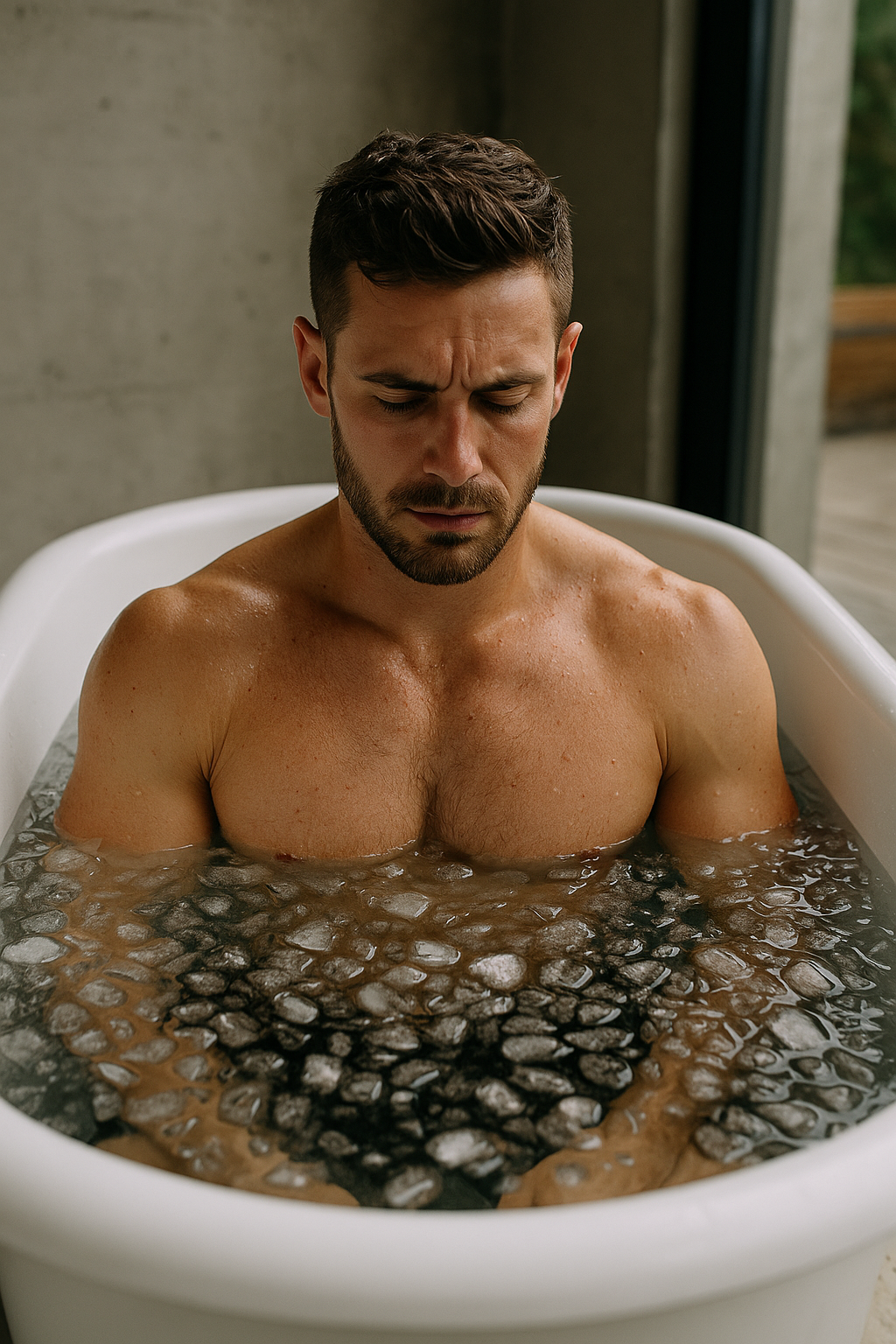
In a neighborhood like New Farm — where active living meets inner-city calm — more residents are exploring alternative ways to support wellbeing beyond gyms and yoga studios. One practice gaining traction is cold immersion: taking the plunge into icy water to reset both body and mind. Known locally as Ice Bath New Farm, this trend has sparked curiosity from fitness enthusiasts, stressed professionals, and wellness seekers alike. But could this chilly habit really benefit your sleep and mood? Let’s explore what research and early adopters suggest — with no hype, just honest insight.
Why Cold Therapy Is Catching On in New Farm
Across cities worldwide, cold therapy is becoming a popular complement to conventional recovery tools like stretching or massage. For people in New Farm balancing active lifestyles and busy workdays, ice baths offer a distinct form of recovery: one that targets both physical and psychological tension. The appeal lies in the dual promise of muscle refreshment and mental reset — a brief moment of discomfort that might lead to deeper calm and renewed energy.
Social media and wellness forums in Brisbane are increasingly buzzing with testimonials: improved focus after hard workouts, a clearer mind during stressful days, and better rest at night. While anecdotes don’t equal evidence, the growing interest reflects a genuine desire for holistic wellness — especially in urban communities where stress and sedentary routines can take a toll.
How Cold Exposure May Influence Mood
Neurochemical Reset
When you immerse yourself in cold water, your body reacts quickly. Cold exposure triggers a surge in neurotransmitters such as norepinephrine and dopamine. These chemicals play a role in alertness, clarity and mood regulation. For many, the initial shock of cold transforms into a rush of clarity — a sensation of clean focus that leaves lingering calm afterwards. This neurological response can help counteract fogginess, low energy or emotional sluggishness brought on by long workdays or extended screen time.
Stress Adaptation Through Controlled Exposure
Regular, controlled cold plunges may also act as a kind of stress training. The idea isn’t about building a tolerance to cold itself — but about teaching your body how to respond to acute stress in a controlled environment. The regulated breathing that accompanies cold immersion encourages mindfulness, calm breathing patterns and a sense of mastery over discomfort. For many, this translates to improved resilience when facing everyday stressors.
If you’re curious about trying this in a guided, supervised setting, a Recovery Session New Farm may offer a safe and structured way to experience cold therapy — particularly helpful if you’re new to ice baths or have any health concerns.
Could Cold Therapy Help You Sleep Better?
Lowering Core Temperature for Sleep Onset
One of the keys to restful sleep is the body’s ability to cool down. Cold immersion may provide a rapid drop in core temperature, helping trigger the body’s natural sleep mechanisms. This could make falling asleep easier — especially useful for people whose internal clocks are thrown off by shift work, late nights, or high stress.
Timing matters though. A cold plunge too close to bedtime might leave you feeling too alert. Ideally, a session scheduled a few hours before sleep could strike the right balance: enough time to settle, but still early enough to allow your body to cool naturally.
Post-Plunge Relaxation and Parasympathetic Activation
Once you step out of icy water, many people experience a gentle wave of calm — a kind of reset that softens both body and mind. This parasympathetic response (the “rest-and-digest” mode) may help ease racing thoughts and soothe tension. For those struggling with insomnia or anxious minds, the combination of controlled breathing and the body’s natural cooling process may offer a useful relaxation aid.
If you’re interested in pairing behavior changes with cold exposure, exploring habits like those in articles such as Better Sleep Habits for Wellness may amplify the benefits — combining consistent sleep routines, screen-time moderation, and calming pre-bed rituals.
Who May Benefit Most?
Cold therapy might particularly resonate with:
- Active adults training frequently, needing recovery beyond muscles.
- Professionals dealing with chronic stress or extended screen time.
- Shift workers or people with disrupted sleep patterns deserving reset.
- Anyone seeking an accessible, low-cost wellness habit without needing fancy equipment.
That said, it’s important to approach with caution and awareness — not as a magic bullet, but as a possible tool in a broader wellness regimen.
What to Expect in an Ice Bath New Farm Session
Typical Flow of a Session
A standard session usually begins with gentle breathing exercises to calm the body. Then comes immersion — often lasting between 2 to 4 minutes, depending on your experience and comfort level. Afterwards you warm up gradually, rehydrate and allow your body to stabilize. The session is designed to be manageable, mindful, and safe, not extreme or dangerously cold.
Safety Considerations
Cold immersion isn’t suitable for everyone. People with uncontrolled high blood pressure, cardiovascular issues, or certain medical conditions should consult a health professional before trying it. Beginners should avoid deep or prolonged plunges, and supervision helps with breathing, temperature control, and ensuring safe exit. As with any wellness practice, cold therapy should complement — not replace — existing healthy habits like balanced sleep, good hydration and regular movement.
Local Relevance: Why Guidance Matters
For residents of New Farm and surrounding areas, self-guided cold baths may seem tempting, but a structured approach reduces risk. A guided cold-immersion session may remove uncertainties — helping you understand how breathing, temperature adaptation and duration interact. This makes the experience both safer and more effective.
Realistic Perspective: What Cold Therapy May — and May Not — Offer
Cold exposure is increasingly studied, but it’s not a cure-all. While early research and user reports suggest potential for mood improvement, stress resilience and sleep support, results vary significantly among individuals. Genetics, lifestyle habits, stress levels and existing health conditions all play a role. Cold therapy may support your wellbeing — but it’s not a substitute for balanced diet, regular exercise, social connection, and consistently good sleep hygiene.
Practical Tips for Beginners Considering Ice Bath New Farm
- Start slow: Begin with 1–2 minute immersions, gradually increasing as your comfort improves.
- Focus on breathing: Controlled, steady breaths often matter more than the cold itself.
- Choose timing wisely: Aim for mid-afternoon or early evening rather than right before bed.
- Dress warm afterwards: Wrap up in a towel or robe to allow your body to transition back.
- Listen to your body: If you feel dizzy or overly uncomfortable, exit immediately.
- Combine with healthy habits: Regular movement, hydration, and relaxing bedtime rituals strengthen potential benefits — pairing well with routines like those discussed in our piece on Mindful Breathing for Stress Relief.
Final Thoughts: Cold Immersion as Part of a Holistic Lifestyle
For residents of New Farm curious about exploring cold therapy, Ice Bath New Farm offers a distinctive, accessible way to experiment with recovery, mood support and sleep enhancement. The key is approaching it with mindfulness, moderation and realistic expectations. Cold plunges may provide useful physiological and psychological feedback — but optimal wellness will likely come from combining practices such as healthy sleep habits, stress management, movement, and balanced nutrition.
If you’re drawn to the idea, consider trying a Recovery Session New Farm under supervision — use the experience as a gentle reset rather than a guarantee. With that kind of grounded mindset, cold therapy may become a helpful piece of your broader wellness toolkit.